
Why Thinking Like a CFO Can Help You Shape Your Business

Autumn Budget 2025 – What Might Be Coming for Businesses?

CMA Flags Concerns Over Rising Fuel Margins

Digital ID to Become Mandatory for Right to Work Checks

Amazon to close UK grocery stores as focus shifts to online delivery

Building cyber resilience: Preparing for Recovery as Well As Defence
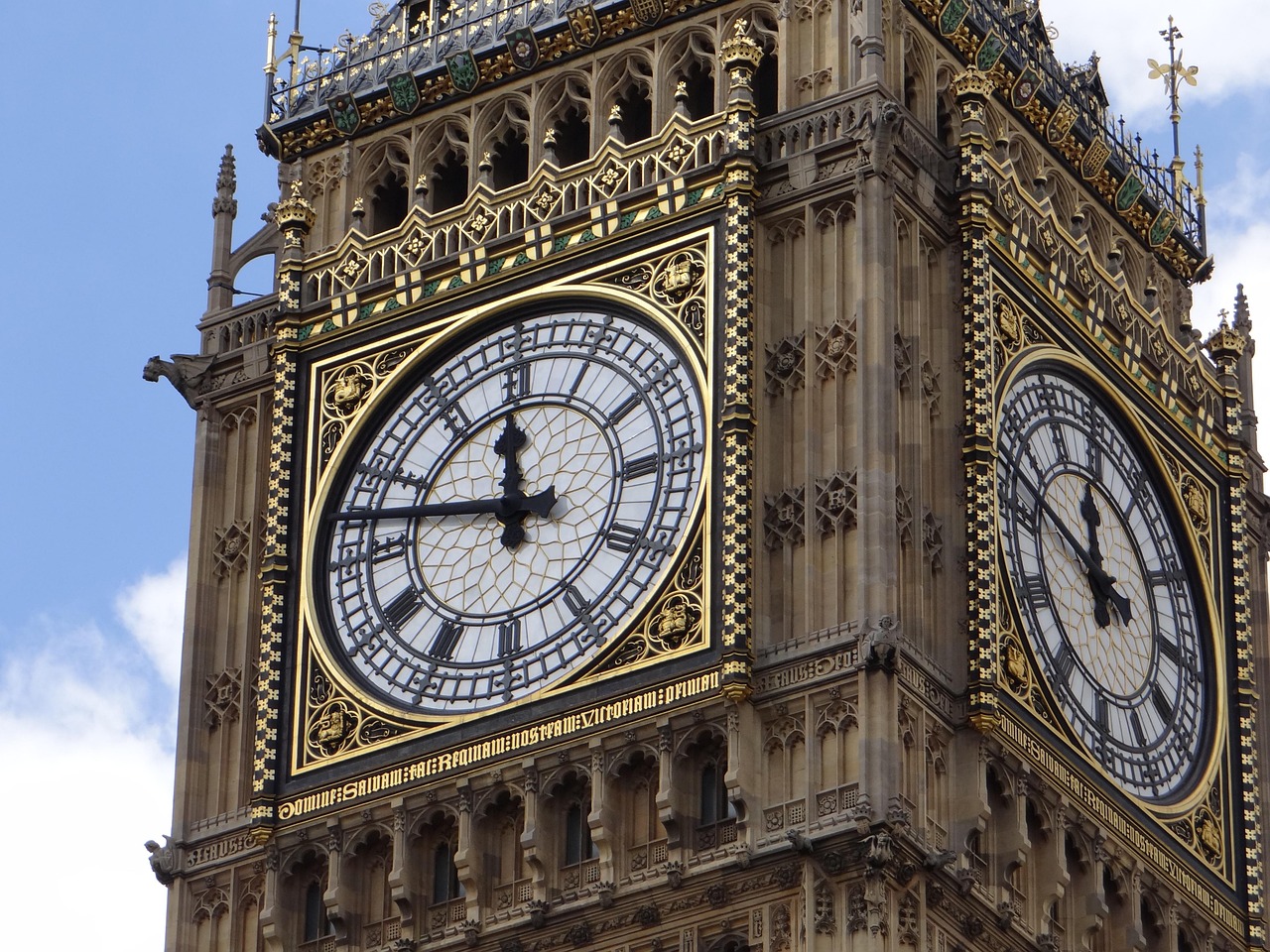
UK and US launch joint task force on the future of financial markets
No Change for Inflation and Interest Rates

HM Revenue and Customs (HMRC) have revealed that 37,000 people have plugged gaps in their National Insurance (NI) record since last April, boosting the amount of State Pension they will receive when they reach retirement age.

The Bank of England reduced their base rate to 4.5% last week, as had been widely expected in the days leading up to the decision.

The Prime Minister and Chancellor met with business leaders last week and unveiled proposals to give occupational defined pension schemes more flexibility.

The new economic secretary to the Treasury, Emma Reynolds, has said that there are no plans to regulate businesses, whether big or small, to compel them to accept cash.

The Chancellor of the Exchequer, Rachel Reeves, delivered a speech last week that served as an update on the government’s plans for delivering economic growth.

As the UK tax year-end approaches on 5 April, it’s an excellent time for you to review your business finances and explore tax planning opportunities, particularly if you are self-employed. Tax planning can help you to reduce tax liabilities, boost your cash flow and put you in a stronger financial position.

A report released by the Public Accounts Committee (PAC) has further criticised HM Revenue & Custom’s (HMRC) phone service. It found that nearly 44,000 customers were cut off without warning after being put on hold for more than an hour in the first 11 months of last year.

Recent economic developments have sparked concerns among UK businesses. Government borrowing costs surged in December to their highest levels in four years, and this has drawn heavy criticism of the Chancellor’s fiscal strategy.